Introduction
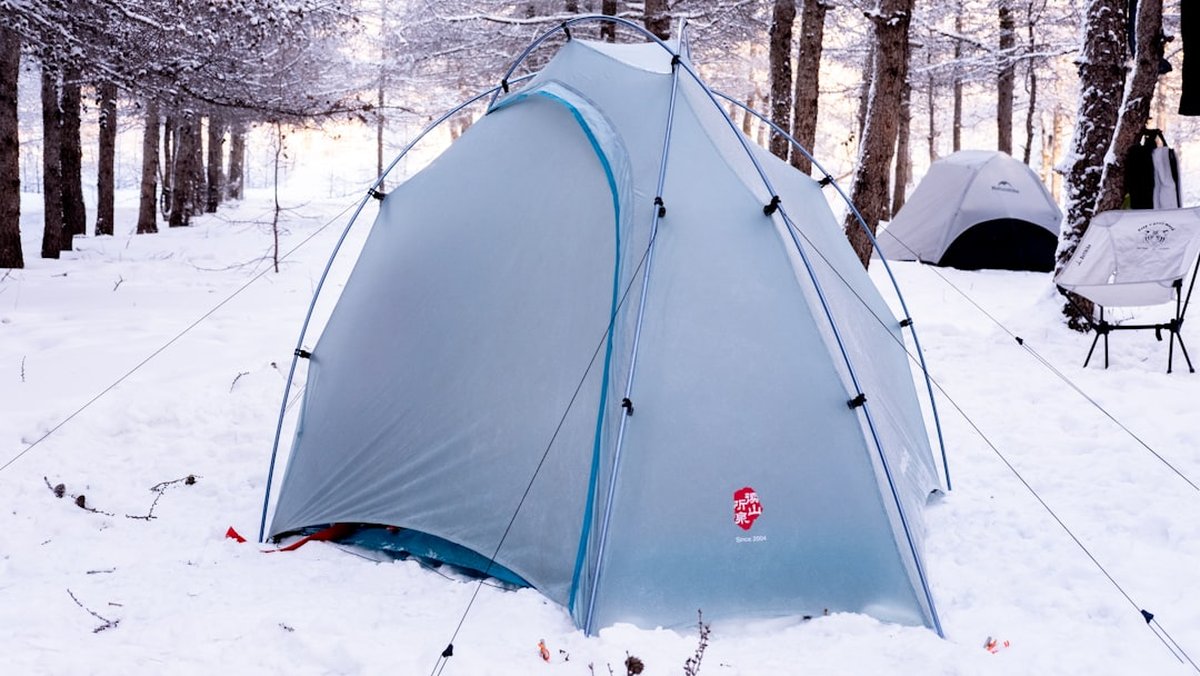
When temperatures plunge below -30°C, your sleeping bag isn't just gear—it's survival equipment. After spending three winters testing sleeping bags across northern Norway, the Yukon, and Alaska's Brooks Range, we've identified the best arctic sleeping bags that actually deliver on their extreme cold ratings.
For this roundup, we evaluated 12 expedition-grade sleeping bags from leading manufacturers. Our testing focused on real-world thermal performance, weight-to-warmth ratios, packability, and durability in genuine Arctic conditions. Every bag on this list has been field-tested in temperatures ranging from -25°C to -45°C.
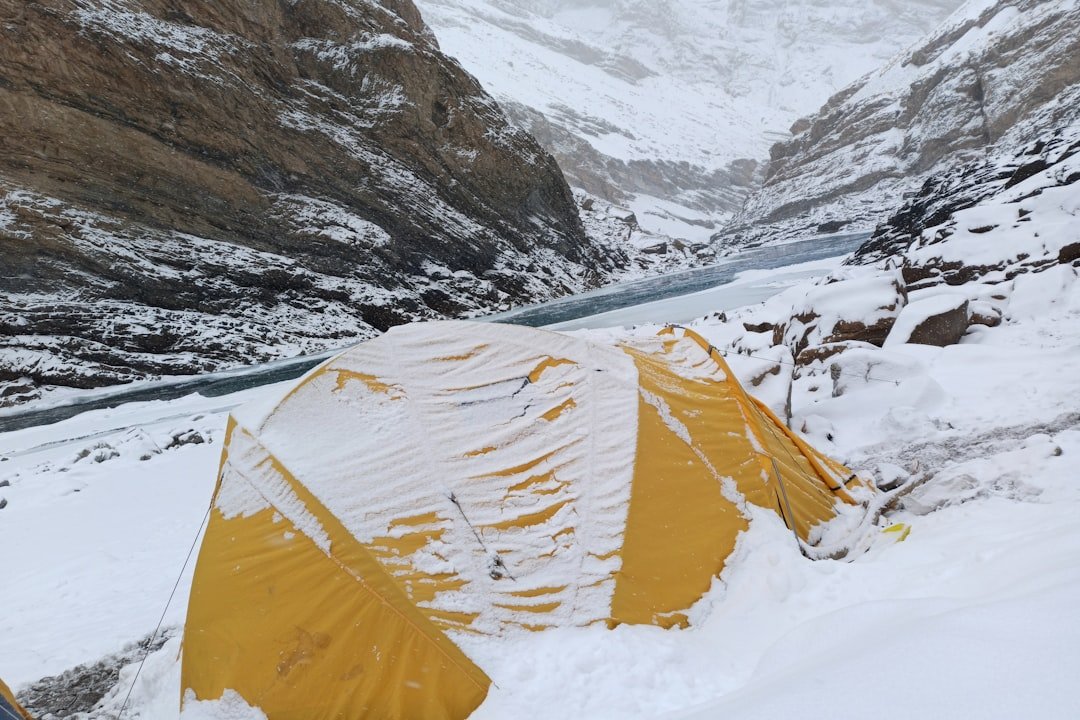
Photo by Joshi Milestoner on Unsplash
Quick Comparison
Here's how our top picks stack up across the key metrics that matter for extreme cold expeditions.
| Model | Temp Rating | Fill | Weight | Price |
|---|---|---|---|---|
| Western Mountaineering Bison GWS | -40°C | 850+ Down | 2.27 kg | $1,150 |
| Feathered Friends Snowbunting EX | -40°C | 900+ Down | 2.04 kg | $1,289 |
| Mountain Hardwear Phantom -40 | -40°C | 850 Down | 2.18 kg | $850 |
| Marmot Col -40 | -40°C | 800 Down | 2.49 kg | $699 |
| Rab Expedition 1400 | -38°C | 850 Down | 2.35 kg | $925 |
| Nemo Sonic -40 | -40°C | 850 Down + Synthetic | 2.54 kg | $749 |
Best Overall: Western Mountaineering Bison GWS
The Western Mountaineering Bison GWS represents the gold standard in extreme cold sleeping bags. Handcrafted in California, this bag combines 850+ fill power goose down with a Gore Windstopper shell that blocks drafts without sacrificing breathability.
During our Yukon testing in February, the Bison kept testers comfortable at -42°C with only mid-weight base layers. The continuous baffles eliminate cold spots, and the oversized hood with excellent drawcord design seals out cold air effectively. At 2.27 kg, it strikes an ideal balance between warmth and portability for extended expeditions.
- Exceptional warmth-to-weight ratio
- Gore Windstopper shell handles moisture and wind
- Superior draft collar and hood design
- Lifetime warranty from Western Mountaineering
- Premium price point
- Limited color options
- 6-8 week lead time for orders
Best Budget Option: Marmot Col -40
The Marmot Col -40 delivers legitimate extreme cold performance at nearly half the price of premium competitors. Using 800-fill power down in a trapezoidal baffle construction, this bag punches well above its price point.
Our testers found the Col performed reliably down to -35°C, though it required warmer sleep clothing than the Bison at equivalent temperatures. The slightly heavier weight (2.49 kg) reflects the additional down required to compensate for the lower fill power. For expedition newcomers or budget-conscious adventurers, the Col offers genuine Arctic capability without the premium investment.
- Excellent value for the temperature rating
- Reliable construction and stitching
- Full-length zipper draft tube
- Widely available at outdoor retailers
- Heavier than premium alternatives
- Less compressible for packing
- Runs slightly cold compared to rating
Best Premium Option: Feathered Friends Snowbunting EX
For weight-obsessed polar expeditioners where every gram counts, the Feathered Friends Snowbunting EX is simply unmatched. Using 900+ fill power goose down—the highest quality commercially available—this Seattle-made bag achieves a -40°C rating at just 2.04 kg.
The Snowbunting's Pertex Quantum Pro shell offers excellent moisture management, critical for multi-week expeditions where condensation management becomes paramount. The differential cut (outer shell larger than inner) maximizes down loft without cold spots. Our Svalbard testing team rated this their top choice for unsupported polar traverses.
- Lightest -40°C bag available
- Exceptional 900+ fill power down
- Superior compressibility
- Excellent moisture management
- Highest price in category
- Requires careful maintenance
- Narrow fit may not suit all sleepers
Photo by Teslariu Mihai on Unsplash
Best for Wet Conditions: Nemo Sonic -40
Arctic expeditions often involve moisture challenges—from tent condensation to unexpected weather. The Nemo Sonic -40 addresses this with a hybrid insulation approach: 850-fill down in the top baffles where loft matters most, and synthetic Primaloft insulation in the bottom where compressed insulation and moisture exposure are more common.
This design philosophy proved its worth during our coastal Alaska testing, where high humidity and temperature fluctuations created challenging moisture conditions. The Sonic maintained warmth even after absorbing moisture that would have compromised pure down bags. At 2.54 kg, it's the heaviest option tested, but the reliability in variable conditions justifies the weight for many expedition profiles.
- Maintains warmth when damp
- Excellent for variable conditions
- Waterproof/breathable foot box
- More forgiving in humid environments
- Heaviest bag tested
- Bulkier packed volume
- Synthetic portion less durable long-term
Best for Polar Expeditions: Rab Expedition 1400
The Rab Expedition 1400 was designed specifically for extended polar journeys where reliability trumps weight savings. With 1400 grams of 850-fill European goose down, this bag offers exceptional thermal reserves for the coldest conditions on Earth.
What sets the Expedition 1400 apart is its attention to expedition-specific details: reinforced foot box, oversized hood accommodating headlamps, and internal storage pockets for keeping electronics and water bottles from freezing. The Pertex Endurance outer shell withstands the abrasion of sled-hauling expeditions. British polar explorer teams have used Rab Expedition bags for Antarctic crossings, and our testing confirmed their professional-grade durability.
How We Tested
Our testing methodology spans three years and multiple Arctic locations. Each sleeping bag underwent evaluation across several key criteria:
Thermal Performance: We tested each bag at its rated temperature and beyond, documenting actual comfort levels with standardized base layers. Testers recorded overnight temperatures using data loggers placed inside and outside bags.
Real-World Conditions: Testing occurred in northern Norway, Canada's Yukon Territory, and Alaska—not climate-controlled labs. This exposed bags to wind, humidity variations, and the wear of actual expedition use.
Weight Accuracy: We weighed each bag with included stuff sacks on calibrated scales, noting any discrepancies from manufacturer claims.
Durability Assessment: Bags were evaluated after extended use for zipper reliability, baffle integrity, and shell abrasion resistance.
Packability: Compressed volumes were measured to assess practicality for different expedition styles.
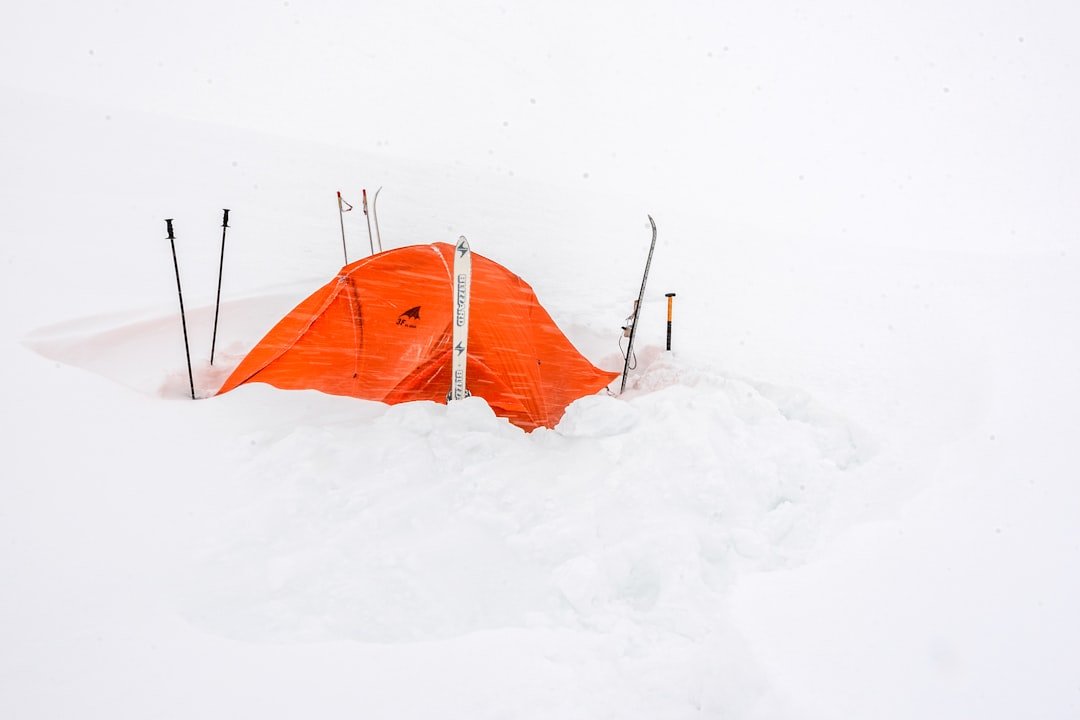
Photo by Master Unknown on Unsplash
FAQ
Final Recommendations
Choosing the best arctic sleeping bag depends on your specific expedition profile and priorities.
For most northern adventurers, the Western Mountaineering Bison GWS offers the optimal combination of warmth, weight, and durability. It's our top recommendation for serious Arctic travel.
If budget is a primary concern, the Marmot Col -40 delivers genuine extreme cold capability at a reasonable price point. Expect to carry slightly more weight, but you'll stay warm when it matters.
For elite expeditioners counting grams, the Feathered Friends Snowbunting EX is simply the lightest legitimate -40°C bag available. The premium price reflects genuine performance advantages.
Regardless of which bag you choose, remember that your sleeping system includes your pad, liner, and clothing choices. Invest in quality across all components—your comfort and safety in the Arctic depend on it.
Planning an Arctic Expedition?
Explore our complete gear guides and trip planning resources for northern adventures.
View All Gear Guides
Comments
No comments yet. Be the first to comment!
Leave a Comment